
Introduction
Project awareness is the cornerstone of successful electrical infrastructure implementation. It goes beyond simply understanding the technical requirements of a project—it encompasses a comprehensive understanding of all stakeholders, their needs, expectations, and the broader impact of the project on communities and the environment.
At SENEL LTD, we believe that project awareness is not just a phase of project management—it is a continuous process that begins before the project starts and continues long after completion.
📊 Key Insight: Projects with high stakeholder awareness are 70% more likely to be completed on time and within budget.
What is Project Awareness?
Project awareness is the comprehensive understanding of all aspects of a project—its objectives, scope, stakeholders, risks, and impacts. It goes beyond the project team to include all parties who may be affected by or have influence over the project.
Stakeholder Alignment
Everyone working toward the same goals
Risk Mitigation
Early identification of challenges
Community Support
Partners rather than obstacles
Quality Outcomes
Exceeding stakeholder expectations
Why is Project Awareness Important?
Project awareness is essential for several critical reasons:
- Stakeholder Alignment: Ensures everyone is working toward the same goals and objectives
- Risk Mitigation: Early identification of potential challenges and bottlenecks
- Resource Optimization: Better planning and allocation of resources
- Community Support: Local communities become partners rather than obstacles
- Quality Outcomes: Projects that meet or exceed stakeholder expectations
- Reduced Conflicts: Clear communication prevents misunderstandings and disputes
- Long-term Sustainability: Projects that are well-received and maintained
Key Stakeholders in Electrical Infrastructure Projects
1. Internal Stakeholders
- Project Team: Engineers, surveyors, technicians, and project managers
- Senior Management: Decision-makers and resource allocators
- Board of Directors: Governance and strategic oversight
- Shareholders/Investors: Financial stakeholders with return expectations
2. External Stakeholders
- Government Agencies: RURA, MININFRA, REG, and local authorities
- Regulatory Bodies: Rwanda Standards Board, Rwanda Investigation Bureau
- Local Communities: Residents, businesses, and community leaders
- Clients/Customers: End-users of the electrical infrastructure
- Contractors and Suppliers: Partners in project delivery
- NGOs and Civil Society: Environmental and social advocacy groups
- Media: News outlets and public information channels
Stakeholder Engagement Strategies
1. Early and Continuous Engagement
Engaging stakeholders early in the project lifecycle is crucial for success:
- Identification: Identify all stakeholders at the project initiation phase
- Mapping: Conduct stakeholder mapping and analysis to understand interests and influence
- Consultation: Hold initial consultation meetings with key stakeholders
- Communication: Establish regular communication channels throughout the project
- Updates: Provide consistent project updates and progress reports
2. Communication Planning
A comprehensive communication plan ensures that all stakeholders receive the right information at the right time:
- Objectives: Define communication objectives and key messages
- Channels: Identify appropriate communication channels for different stakeholders
- Frequency: Establish frequency and timing of communications
- Feedback: Develop feedback mechanisms to capture stakeholder input
- Documentation: Document all communication activities for future reference
3. Community Involvement and Feedback
Local communities are key stakeholders in electrical infrastructure projects:
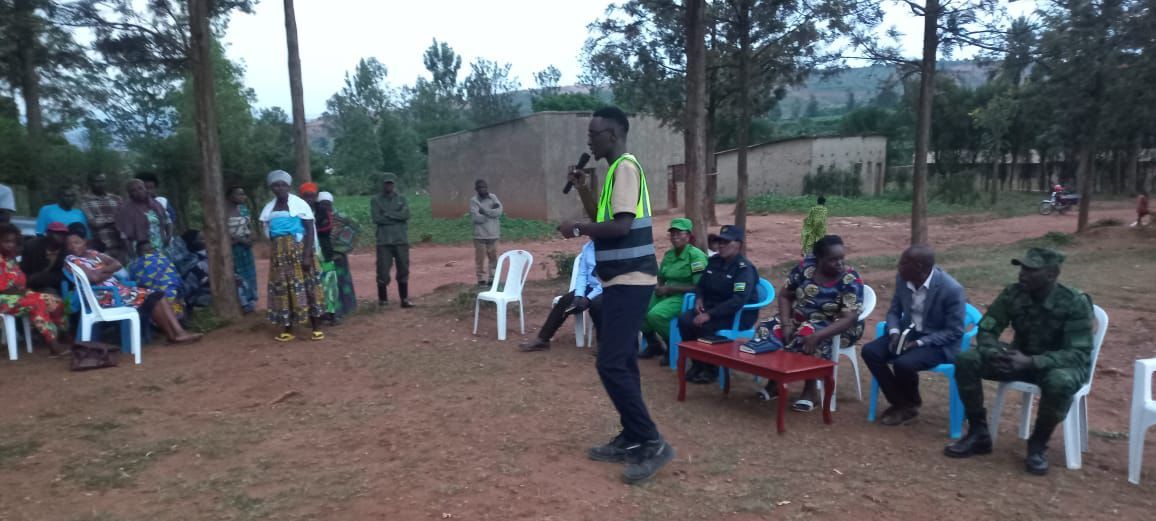
- Awareness Campaigns: Conduct community awareness campaigns about project benefits
- Liaison Offices: Establish community liaison offices or contact points
- Public Meetings: Hold public meetings and information sessions
- Feedback Mechanisms: Create feedback mechanisms for community concerns
- Grievance Redress: Address community grievances promptly and fairly
Best Practices for Project Awareness
- Transparency: Be open about project goals, timelines, and challenges
- Active Listening: Listen to stakeholder concerns and act on them
- Regular Updates: Provide consistent and timely project updates
- Cultural Sensitivity: Respect local customs and practices
- Documentation: Keep records of all stakeholder interactions
- Continuous Learning: Adapt engagement strategies based on feedback
- Commitment: Demonstrate commitment to stakeholder engagement throughout the project
- Measurable Outcomes: Set and track measurable engagement outcomes
🌍 SENEL LTD Approach: We believe that successful projects are built on strong relationships with all stakeholders—from government agencies to local communities.
Common Challenges in Project Awareness
- Communication Gaps: Misunderstandings due to poor communication
- Stakeholder Resistance: Opposition from stakeholders who feel excluded
- Cultural Barriers: Differences in language, customs, and expectations
- Information Overload: Too much information causing confusion
- Resource Constraints: Limited resources for engagement activities
- Changing Stakeholders: New stakeholders emerging during the project
- Unrealistic Expectations: Stakeholders expecting more than what is possible
Solutions to Overcoming Challenges
- Clear Communication: Use simple, clear language and multiple communication channels
- Inclusive Engagement: Ensure all stakeholders have a voice in the process
- Cultural Training: Train team members on cultural sensitivity and local customs
- Prioritized Communication: Focus on the most important messages for each stakeholder group
- Resource Allocation: Allocate adequate resources for stakeholder engagement
- Flexible Approach: Adapt engagement strategies as the project evolves
- Expectation Management: Set realistic expectations and communicate limitations clearly
How SENEL LTD Implements Project Awareness
At SENEL LTD, project awareness is integrated into every stage of our project lifecycle. From initial surveying to final implementation, we ensure that all stakeholders are informed, engaged, and empowered to contribute to project success.
Our project awareness approach has been instrumental in the successful delivery of major electrical infrastructure projects across Rwanda, including:
- Nyamasheke Network Rehabilitation: Comprehensive stakeholder engagement with local communities and JAKSON LTD
- EPC Rusizi District Installation: Close collaboration with MBH Power Ltd and local authorities
- MV/LV Pegging Work: Effective coordination with Lumino Industries Ltd and local communities
- Customer Survey in Muhanga: Engaging with 168 villages and WK Consultant & STEG-IS
🤝 SENEL LTD Commitment: We are committed to transparent, inclusive, and effective stakeholder engagement in all our projects. We believe that project awareness is the foundation of successful implementation and sustainable outcomes.
Conclusion
Project awareness is not an optional extra—it is an essential component of successful electrical infrastructure implementation. By understanding and engaging with all stakeholders throughout the project lifecycle, we can ensure that projects are completed on time, within budget, and to the satisfaction of all parties involved.
At SENEL LTD, we continue to invest in project awareness as a core competency, recognizing that it is the key to building lasting relationships with stakeholders and delivering projects that make a positive difference in communities across Rwanda.
Back to Blog